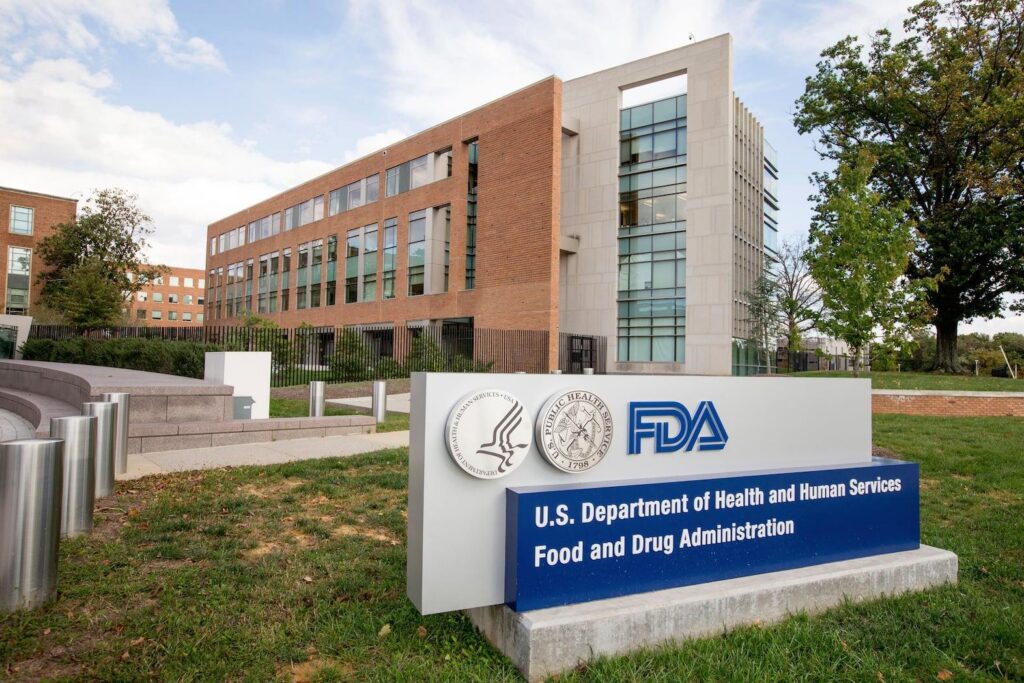
The FDA is highly supportive of orphan drug development, but that doesn’t mean every Orphan Drug Designation (ODD) application gets approved on the first review cycle. Many sponsors still end up with deficiency letters—and they tend to focus on the same trouble spots: not enough indication-specific medical rationale or prevalence estimates that don’t fully add up.
Most of these issues aren’t hard to fix once you know what FDA is looking for. Read on for a breakdown of the most common reasons applications are flagged to help your application get approved on the first try.
1. Medical Rationale Not Qualified
The majority of ODD deficiencies stem from inadequate scientific evidence supporting the drug’s potential efficacy in the rare indication.
Lack of Appropriate In-Vivo Efficacy Data
- In-vitro data alone is insufficient. FDA expects in-vivo animal data that reflects the specific human disease.
- Model relevance matters. The animal model must be well-established and recognized in peer-reviewed literature for that particular indication.
- Disease stage timing. Data must show treatment efficacy after disease manifestation, not just prevention.
Poorly Defined or Unsupported Models
- Using a general model not validated for the target indication.
- No citation or insufficient evidence that the model mimics human pathophysiology.
Clinical Data Not Demonstrating Indication-Specific Effect
- Case reports may suffice in rare instances, but must clearly demonstrate drug benefit for the exact indication.
- Anecdotal or uncontrolled data without disease-specific context are not acceptable.
2. Prevalence Data Not Qualified
The second most common cause involves errors or omissions in demonstrating that the target patient population in the U.S. is below 200,000.
Underestimating or Misquoting Literature Data
- Sponsors often cite outdated or narrow studies. FDA expects use of the highest credible prevalence estimate found in peer-reviewed sources.
Failure to Establish a Valid Orphan Subset
- When applying for an orphan subset of a common disease, the sponsor must show the drug is not effective outside that subset.
- Mechanistic or pharmacologic rationale should clearly limit the activity to the defined rare group.
Unclear or Improperly Defined Indication
- FDA retains discretion to determine what constitutes a unique “disease or condition.”
- Sponsors must align indication wording with FDA precedent and guidance.
- The only reliable way to verify whether an indication qualifies as a valid orphan disease is by checking the FDA Orphan Drug Designation Database (https://www.accessdata.fda.gov/scripts/opdlisting/oopd/). However, note that past designations may no longer reflect current prevalence data.
Need Support With Your ODD Submission?
The deficiency letter is a highly informative resource. If you want to avoid setbacks and another 90-day review delay (now extended due to staffing shortages and government slowdowns) contact Only Orphans Cote for a complimentary review of your FDA ODD deficiency letter. Our 95% first-attempt FDA application success rate reflects our expertise with each and every ODD application.